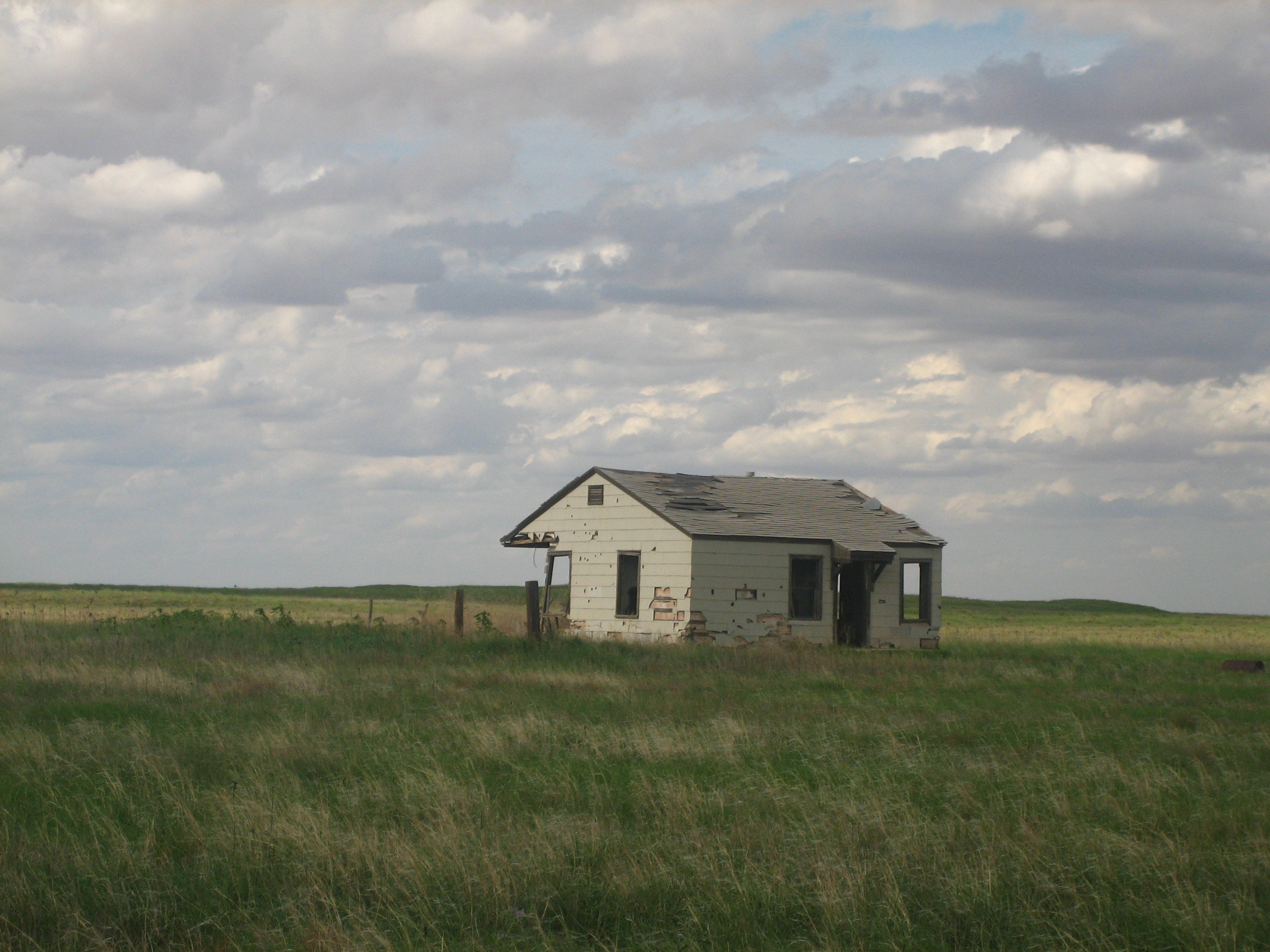

I’ve been sleepwalking
Been wandering all night
Trying to take what’s lost and broken
Make it right
-Cam, “Burning House”
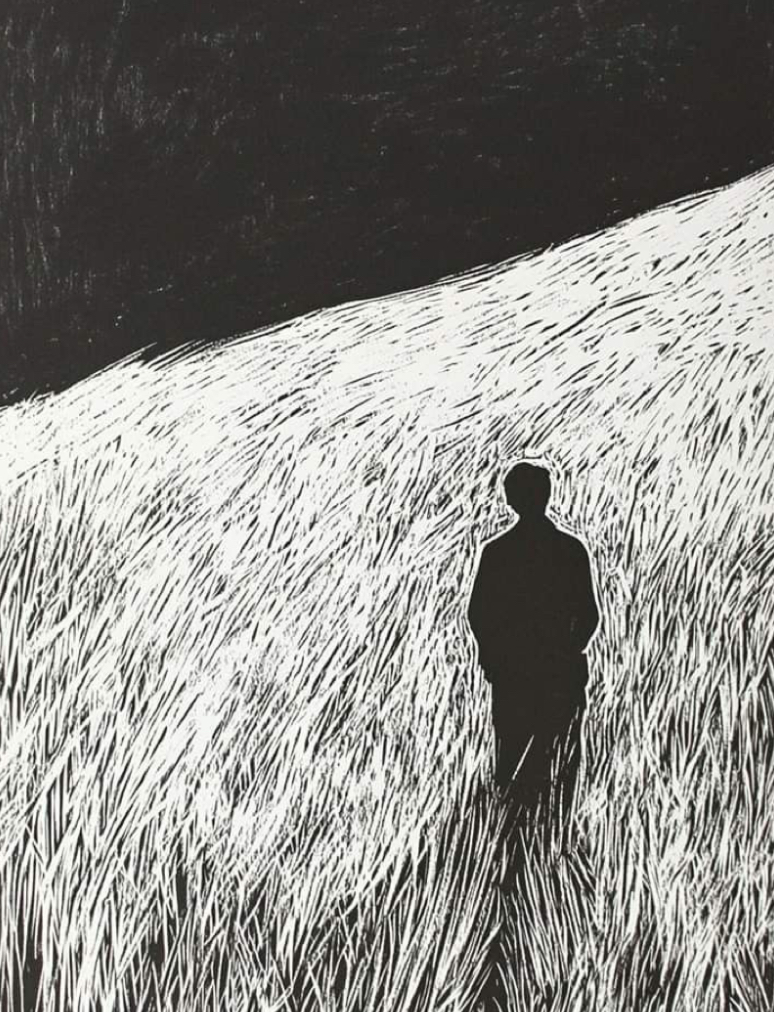
To love is to lose. So the poets tell us, and their words are as always more true than we can know. The summer’s day is perhaps not more lovely nor more temperate than the objects of our love, but the innately human bid for Shakespeare’s unfading and eternal summer is surely a desperate one, and the heedless river of time separates us so very swiftly and unfeelingly from those closest of friends to whom we have held tightly for a few brief moments of sweet communion.
This loss is something we all feel keenly, irrespective of age or race or station. Whether it is the mother’s quiet decree that draws the afternoon with friends to a close just as the game seems to be most engaging, the sudden announcement of the family’s relocation that tells you it will be decades not days before you see your erstwhile childhood friends again, the subtle turn in political dynamics that sets you forever at odds with the very one you thought would always be on your side, the softly dreadful tone of voice in which someone says “Did you hear what happened to Dennis” before the terrible news dawns on you, the shock of hurt and wrong that imposes distance like a gaping rift in the very earth between us; and, if we are honest with ourselves, even the inexorable slow progression of change that forces upon us a different perspective of those around us every day we wake up and see them again. Physics is not the only discipline governed by the law of entropy: anyone who has given time to the study of relational interaction knows that change is the single most powerful dynamic with which we have to deal, and that change as it is portrayed in the narrative of each human life is characterized by gradual decline, not by advancement.
For it is at best a crumbling edifice we have constructed for ourselves, consigned as we were to the disparate pursuits of building our tower to the heavens apart from the rest of humanity, its towers and ramparts pushed upward again and again by the tireless labor of new generations with their eyes looking up on a clear and boundless sky, yet each succumbing eventually to a great despair that could not reckon with futility; that was not meant to reckon with futility. We were created stewards of the most abundant planet in the universe, mighty men and women in the image of God himself tasked with reflecting that image in every part of life, in every part of Creation. Is it by accident that our hearts long to explore and know the farthest reaches of all we can see when we gaze at the stars by night? Yet we live out our few and difficult years bound to the same earth that brings forth thorns from our labors, dampens our cries in the pain of childbirth, and all too willingly accepts us back into the dust from which we were formed.
It might be possible for a rational person to accept this fate and go quietly into the night, assuming that we must have been intended (by some cruel and inscrutable deity) to suffer loss and see the beauty of our lives crushed into nothing, like the fragrance of a rose under the perfumer’s pestle that dissipates helplessly into the air, except for one single and inescapable thing: the universal reaction in the heart of every human being that cannot countenance such loss. We feel the shadow of the Angel of Death as it is cast over someone we love, and we instinctively cry out and reach to draw them close. We weep at the grave of a friend, and although others can offer temporary comfort, none can plumb the depths of the rift that is left in our heart. If nothing really matters and everything is simply destined to pass away, whence then this anguish we feel? Whence this abiding sense of devastation that will not fade over time? If our sense of loss cannot help our situation, at least it tells us in most unmistakable terms that things are not as they should be – as they were created to be.
This truth, I believe, is what necessitated the Incarnation. A God who could craft a solution to sin and pain and death without becoming intrinsically involved in it himself would be the cruel and inscrutable deity of our suspicions. He would cease to be the source of our truest emotions and open himself to the accusation that he just didn’t care. But such was not the heart of Jesus. In his final hour he looked up into the forbidding heavens in the Garden and knew that he was facing the loss of everything that had brought him to walk on our earth: his friends, his reputation, his purity, his very life, and most unthinkable of all, his relationship with his loving Father. And in the face of the greatest defeat anyone has ever undergone, he spoke the blessed Not my will, but thine and offered up the perfect sacrifice that would lay the foundation for a City that would stand forever.
In the midst of my loss I will remember the One who persevered even to the end, and who did it for love. Because of his faithfulness I will surely one day be united again with those for whom I care so deeply, and the days of my wandering shall be done; and he will wipe away every tear from their eyes, and death shall be no more, for the former things have passed away.
JV

Author: Jeremy Vogan
My name is Jeremy Vogan. I live in Staunton, VA with my wife and four kids. I love to write, and seek to honestly explore the intellectual and emotional implications of following Jesus as a deeply broken person in a twisted, cruel world that is full of veiled beauty and meaning. Writing is part of how I faithfully look for Jesus Christ to someday make all things new. I'd enjoy hearing your feedback! JV



Leave a Reply